
Beyond VPNs: Advanced Remote Work Security Solutions
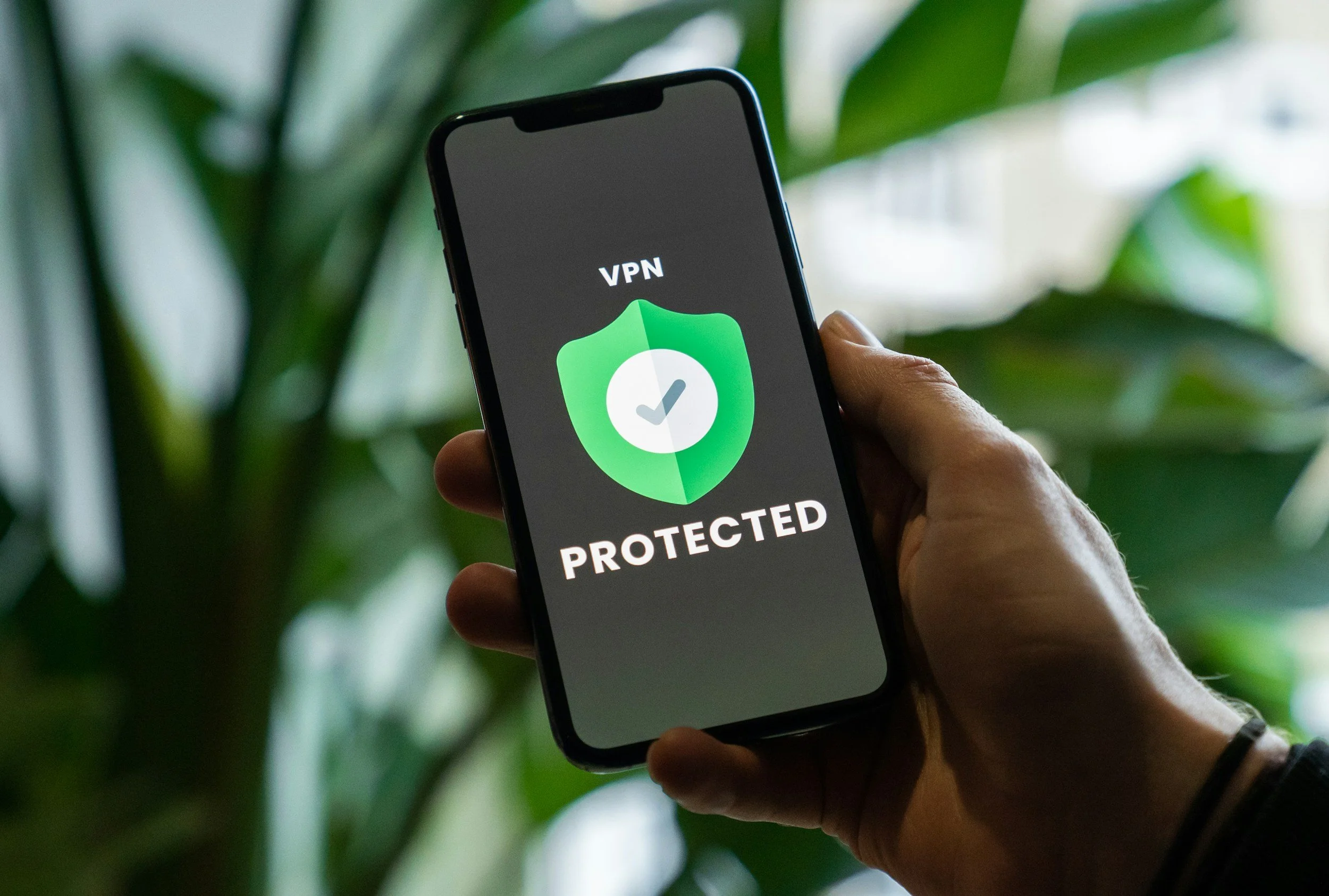
As remote and hybrid work become the norm, securing your digital workspace has never been more important—or more complex. While VPNs were once the go-to solution for remote access, they no longer provide the comprehensive protection today’s businesses need. Cyber threats have evolved, and so must our defenses. In this post, we’ll explore advanced security solutions that go beyond VPNs—helping your team stay connected and protected, wherever work happens.
The Limitations of VPNs
Virtual Private Networks (VPNs) have long been a staple in remote work security. They create encrypted tunnels between users and the corporate network, offering a basic level of protection for data in transit. However, as technology and workplace dynamics have shifted—especially with the rise of cloud-based tools and distributed teams—VPNs have begun to show their age.
One of the most significant drawbacks of VPNs is that they were designed for a time when remote work was the exception, not the rule. Traditional VPN infrastructure often routes all user traffic through a centralized data center. This model can create bottlenecks, slowing down performance and impacting productivity—especially when employees are accessing cloud apps, collaboration tools, or video conferencing platforms that don't reside within the corporate network.
Security is another concern. VPNs operate under a perimeter-based model—once a user is authenticated, they often have broad access to the internal network. If a cybercriminal steals VPN credentials or a device is compromised, they may gain access to sensitive data and systems with minimal resistance. This “all or nothing” approach increases the risk of lateral movement within the network, where attackers can escalate privileges and cause widespread damage.
Finally, VPNs struggle to support modern IT environments that rely heavily on cloud applications and mobile devices. They offer limited visibility into user behavior once connected and lack granular access controls. In short, VPNs aren’t equipped to handle the complexities of today’s hybrid work environments where security needs to be dynamic, identity-based, and tightly integrated with cloud services.
To truly secure remote workforces in today’s threat landscape, businesses need to move beyond VPNs and embrace more advanced, flexible, and intelligent solutions.
Embracing Zero Trust Architecture
As organizations continue to shift toward remote and hybrid work models, the traditional notion of a secure network perimeter has all but vanished. This shift calls for a fundamentally different approach to cybersecurity—one that doesn’t rely on predefined trust based on location or device. Enter Zero Trust Architecture (ZTA), a security framework built around the principle of “never trust, always verify.”
In a Zero Trust model, no user or device—whether inside or outside the organization’s network—is automatically trusted. Instead, every access request is continuously authenticated, authorized, and encrypted based on a range of dynamic factors like user identity, device health, location, and behavior patterns. This helps ensure that only the right people, on the right devices, can access the right data at the right time.
One of the core strengths of Zero Trust is its ability to reduce the risk of lateral movement within the network. In a traditional setup, once a bad actor gains access—often through compromised VPN credentials—they can move relatively freely within the system. With Zero Trust, access is segmented and limited to what is explicitly needed, significantly minimizing the damage a breach can cause.
Implementing Zero Trust isn’t just about technology—it’s about mindset. It involves layering controls, integrating identity and access management (IAM) tools, using strong multi-factor authentication (MFA), and continuously monitoring activity. It's a strategic shift toward a more adaptive, resilient, and future-proof security posture—one that aligns with how modern businesses actually operate.
For companies looking to scale remote operations without compromising security, adopting a Zero Trust model is no longer optional—it’s essential.
Secure Access Service Edge (SASE)
As cloud adoption accelerates and remote work becomes a permanent fixture in the modern business landscape, organizations need security solutions that are both flexible and scalable. That’s where Secure Access Service Edge (SASE) comes in. Pronounced “sassy,” SASE is a cloud-native architecture that converges network and security services into a single, unified framework—designed specifically for today’s decentralized work environments.
At its core, SASE combines software-defined wide area networking (SD-WAN) with a suite of security functions such as secure web gateways (SWG), cloud access security brokers (CASB), firewall as a service (FWaaS), and Zero Trust Network Access (ZTNA). Rather than relying on traditional perimeter-based security, SASE distributes these protections closer to the user, no matter where they are or what device they're using.
This decentralized approach improves both performance and security. Instead of backhauling traffic through a centralized VPN or data center—which can create latency and bottlenecks—SASE routes traffic through the nearest cloud edge. This not only speeds up access to cloud applications and services but also enables real-time security inspection and enforcement at the point of access.
SASE also provides greater visibility and control. IT teams gain deep insights into user behavior, application usage, and data flow—whether users are in the office, at home, or on the move. With built-in identity awareness and policy-based access control, organizations can enforce consistent security standards across their entire ecosystem, reducing risk and improving compliance.
Ultimately, SASE allows businesses to simplify their network architecture while strengthening their security posture. It’s a forward-thinking solution for a mobile, cloud-first world—and a natural next step for organizations looking to evolve beyond the limitations of traditional VPNs.
Endpoint Detection and Response (EDR)
In a remote work environment, every laptop, smartphone, or tablet used to access company data becomes a potential point of vulnerability. Traditional antivirus solutions, while helpful for detecting known threats, often fall short when it comes to identifying and responding to today’s sophisticated cyberattacks. That’s where Endpoint Detection and Response (EDR) comes in.
EDR is a modern approach to endpoint security that goes beyond prevention—it provides visibility, real-time monitoring, and intelligent response capabilities across all endpoints in an organization. Instead of relying solely on signature-based detection, EDR tools analyze patterns, behaviors, and anomalies to catch threats that may slip past traditional defenses.
For remote teams, this is critical. Employees are working from various locations, often using personal networks or unmanaged devices. EDR solutions help security teams detect suspicious activity—like a file executing unexpected code or a device attempting to access restricted systems—and respond immediately. This may include isolating the device from the network, terminating harmful processes, or initiating automated remediation steps.
One of the key strengths of EDR is its centralized visibility. IT teams can monitor endpoint activity from a single dashboard, even if those endpoints are scattered across time zones or working outside of the corporate firewall. This centralized approach allows for faster incident response and better insights into emerging threats.
When paired with threat intelligence and behavioral analytics, EDR doesn’t just defend—it learns. It adapts to new attack vectors and continuously evolves, helping businesses stay one step ahead in a constantly changing threat landscape. For organizations looking to move beyond basic endpoint protection, EDR is an essential layer in a comprehensive remote work security strategy.
Multi-Factor Authentication (MFA) & Identity Management
As cyber threats grow more sophisticated, protecting access to your systems and data has become just as important as protecting the data itself. That’s why Multi-Factor Authentication (MFA) and Identity Management are foundational components of any modern remote work security strategy.
MFA adds a critical layer of protection by requiring users to verify their identity in more than one way—typically through something they know (like a password), something they have (such as a mobile device or security key), or something they are (biometrics like fingerprints or facial recognition). This dramatically reduces the chances of unauthorized access, even if a password is compromised. For remote teams, where phishing and credential theft are constant threats, MFA is no longer a “nice to have”—it’s a necessity.
But MFA is just one part of a broader approach to managing digital identities. Identity and Access Management (IAM) solutions help ensure that the right individuals have the appropriate level of access to the right resources—nothing more, nothing less. Features like role-based access control (RBAC), single sign-on (SSO), and identity governance help streamline authentication while maintaining strong security standards.
Effective identity management also makes life easier for IT teams. With centralized controls, they can easily onboard and offboard users, monitor login activity, and respond quickly to suspicious behavior. Additionally, integrating IAM with other tools—like EDR and Zero Trust platforms—creates a seamless, policy-driven security ecosystem.
In remote and hybrid work environments, where the boundaries of the workplace are blurred, verifying who’s accessing what—and why—has never been more critical. MFA and identity management not only secure your systems but also build the trust and accountability that enable teams to work confidently from anywhere.
Pendello’s Holistic Approach to Remote Security
At Pendello Solutions, we understand that security isn’t about a single tool or quick fix—it’s about building a system that works together, intelligently and seamlessly, to protect your business from every angle. That’s why we take a holistic approach to remote work security—one that’s proactive, layered, and tailored to the unique needs of each organization.
1. Thorough Assessment
We begin with a thorough assessment of your current security posture, identifying potential vulnerabilities across your infrastructure, user behavior, and workflows. From there, we help design and implement a comprehensive security stack that includes modern tools like Zero Trust Architecture, SASE frameworks, Endpoint Detection and Response (EDR), and advanced identity management.
2. Strategy
But tools are only as effective as the strategy behind them. Our team works closely with your internal stakeholders to develop policies, training, and response plans that support long-term resilience. We don’t just deploy technology—we empower your team to use it confidently and effectively.
3. Integration and Simplicity
What sets us apart is our commitment to integration and simplicity. We ensure that every component of your security ecosystem communicates and cooperates, reducing complexity while maximizing protection. Whether you’re managing a fully remote workforce, a hybrid model, or transitioning to cloud-first operations, we’ll guide you every step of the way.
With Pendello, you’re not just getting a security solution—you’re gaining a partner dedicated to helping your business thrive securely in a changing digital world.
Conclusion
As remote work continues to evolve, so must your approach to cybersecurity. VPNs alone are no longer enough to protect today’s distributed teams and cloud-based workflows. By embracing modern solutions like Zero Trust, SASE, EDR, and strong identity management, your business can stay secure without sacrificing performance or flexibility.
At Pendello Solutions, we’re here to help you move beyond outdated security models and build a smarter, more resilient future—where your team can work confidently from anywhere.
At Pendello Solutions, we turn technology hurdles into powerful assets. Our technology solutions fuel growth, productivity, and efficiency, through continuous innovation and strategic solutions, empowering your business beyond the imaginable. Contact us today to discover the Pendello Method.